

Inspired by Outlive: The Science & Art of Longevity by Peter Attia, MD
For years, longevity was treated as a numbers game, live longer, avoid disease, and stretch the timeline as far as modern medicine would allow. But in Outlive, physician and longevity expert Peter Attia, MD reframes the conversation entirely. His message is simple but profound: it’s not about the years you add to your life, but the life you add to your years.
This perspective mirrors the shift we’re seeing in wellness today, a move away from quick fixes and performance metrics toward whole-life vitality, connection, and purpose.
At SOZO, this evolution is core to our mission. Longevity isn’t just physical. It’s emotional, social, and deeply human.
Attia popularizes a term that resonates far beyond medicine: healthspan—the years of life lived in good health, free from chronic disease, pain, and dysfunction.
The goal is not to avoid aging. The goal is to age well.
This means investing in the habits, environments, and relationships that help you move with confidence, think with clarity, and live with meaning, long before illness ever enters the equation.
At SOZO, this philosophy informs everything from our movement programs to our recovery options to the community-first culture inside our clubs. We’re building environments that add quality to life, not just quantity.
While Attia’s work dives deeply into physiology, the principles can be understood through a more accessible, holistic frame—one that aligns naturally with the SOZO experience.
Humans thrive together.
Isolation shortens lifespan.
Belonging extends it.
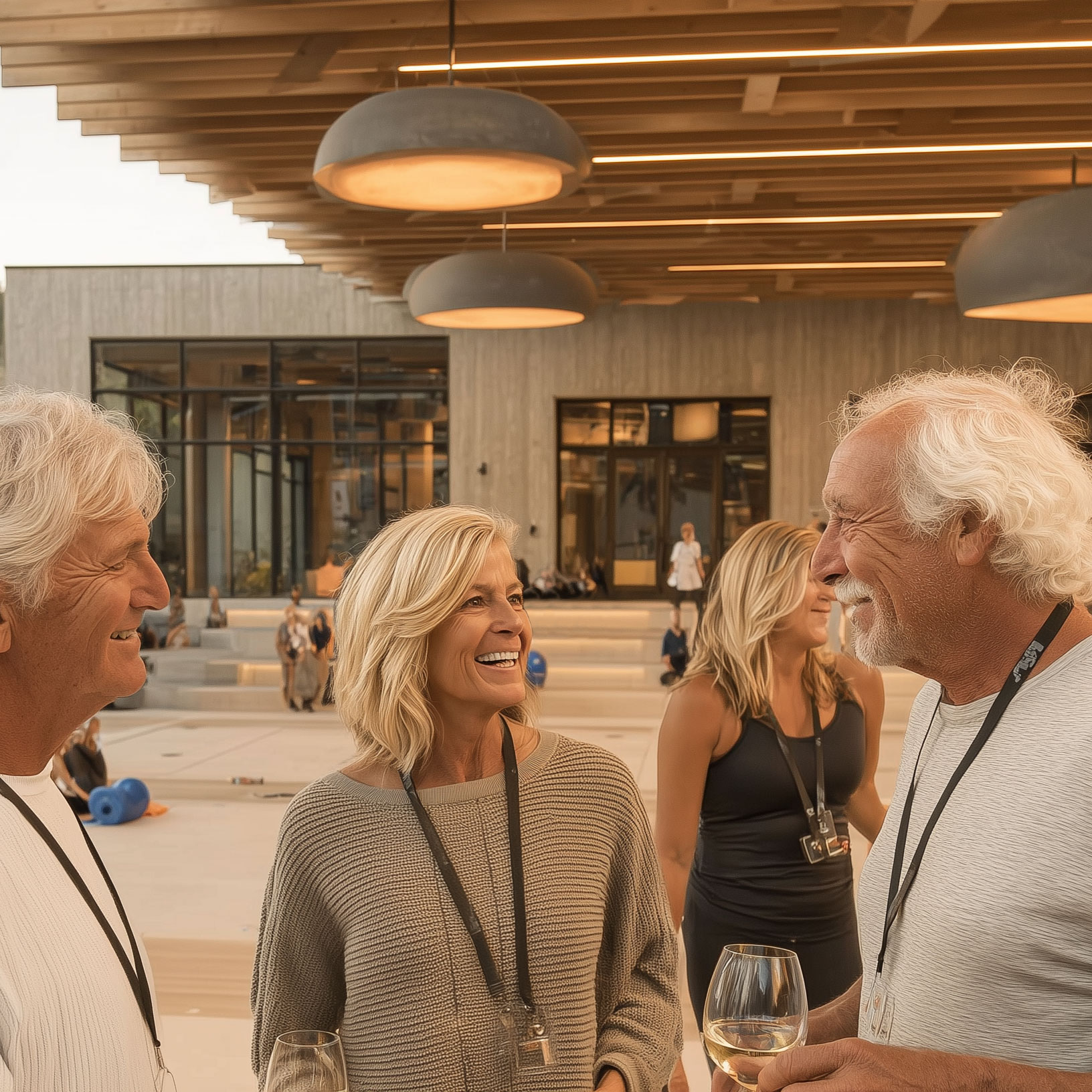
This is why SOZO was created to offer a Third Place where adults rebuild the relationships that sustain wellbeing across decades.
Attia’s philosophy makes it clear: longevity isn’t found in a pill, a quick fix, or a 30-day challenge. It’s found in the everyday choices we make, the environments we surround ourselves with, and the communities we commit to.
At SOZO, we integrate these principles into an ecosystem where:
This is longevity that is lived—not just learned.
Outlive invites us to reimagine aging.
SOZO invites us to reimagine living well while we age.
Together, these ideas point toward a powerful shift:
The future of longevity is not just medical. It’s social. It’s emotional. It’s holistic.
When adults feel connected, supported, and whole, they don’t just live longer—they live better.
That is the heart of longevity. And it is the heart of SOZO.
Disclaimer: This article is inspired by themes discussed in Outlive: The Science & Art of Longevity by Peter Attia, MD. It does not quote or reproduce content from the book.
To Receive Exclusive Updates, and a Preview of What’s Ahead at SOZO Clubs.